VIE
 EN
Quality Control Process for Agricultural Products from Farm to Consumer
In modern agriculture, product quality is no longer evaluated solely based on external appearance or harvest yield, but also depends on the entire formation, processing, and distribution process. For an agricultural product to build consumer trust, it must ensure many factors such as clear origin, safe production processes, suitable storage conditions, and transparent traceability. Facing changes in consumer demand, customers are increasingly concerned about the journey of a product before it appears on the market. They want to know where the produce they use is grown, what the care methods are, whether chemicals were used, and what inspection steps it underwent before reaching the buyer. Therefore, agricultural product quality control has become a crucial factor in the entire agricultural value chain. This is not only the duty of the producer but also a coordination between farms, purchasing units, preliminary processing factories, transportation systems, distributors, and retail channels. An effective control process helps limit food safety risks, reduce post-harvest loss rates, enhance brand value, and create stability in agricultural business operations. Especially in an increasingly competitive market context, products with strictly controlled quality will have more advantages in reaching consumers. Building a comprehensive quality control system not only helps protect public health but is also the foundation for the agricultural industry to develop in a professional, sustainable direction, consistent with domestic and international standards.
The role of agricultural product quality control in the modern supply chain
In the agricultural production chain, every stage has the potential to affect the final quality of the product. A small error during planting, harvesting, or transportation can cause agricultural products to lose value or fail to meet market requirements. Therefore, agricultural product quality control acts as a continuous monitoring system to ensure products always meet certain standards before reaching consumers. For producers, quality control helps guide appropriate farming methods, limits the use of factors that affect the environment, and improves stable productivity.
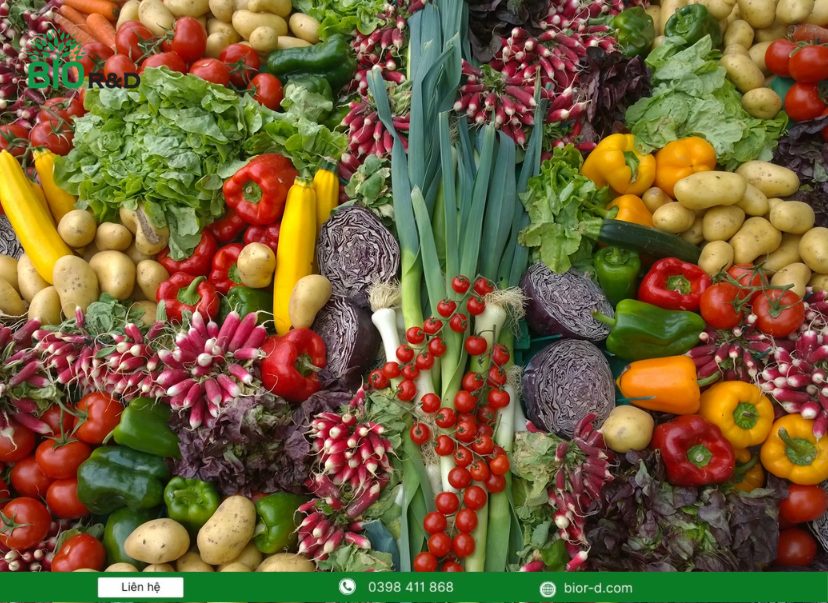
When products are produced according to a clear control process, farmers also easily access markets with higher requirements. For purchasing and distribution businesses, quality control helps reduce the risk of importing non-standard products. This is especially important for supermarket systems, restaurants, industrial kitchens, and agricultural export units. In addition, the quality control process helps build trust with consumers. When customers know the clear origin and production process of a product, they tend to choose and stick with the brand for the long term. It can be seen that quality control is not just a final check step, but a continuous process starting from the farm and lasting until the product is consumed.
>>> You may be interested in: Stable Supply Solutions for Clean Agricultural Products for Kitchens and Businesses
Important factors in the agricultural product quality control process
To ensure agricultural products meet safety standards and high quality, the control process needs to be implemented at many different stages. Each factor contributes to determining the value and competitiveness of the product in the market.
- Input seed control helps ensure crops have the ability to develop well and achieve stable quality.
- Cultivated soil quality management helps limit the risk of heavy metal contamination or factors affecting plants.
- Irrigation water control ensures crops are provided with a safe and suitable growth environment.
- Monitoring the fertilizer usage process helps limit chemical residues exceeding permitted levels in agricultural products.
- Plant protection drug management helps control pests while ensuring safety for users.
- Inspection of harvest and storage conditions helps maintain product quality after leaving the farm.
These factors need to be controlled synchronously instead of focusing only on a single stage. A quality product must be the result of an entire scientific production process with strict supervision.
Quality control right from the production stage at the farm
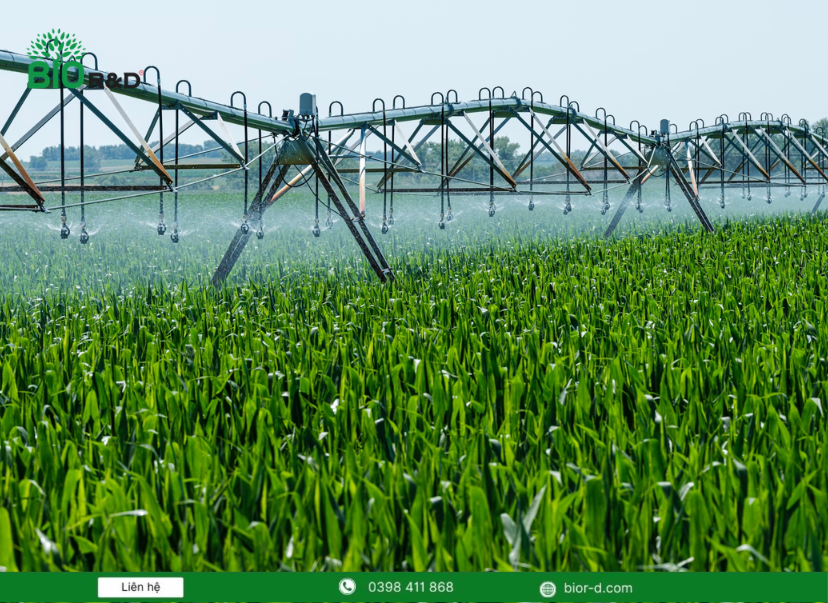
The farm is the starting point of the entire agricultural value chain, so this is the most important stage in the quality control process. If the initial production process is not managed well, subsequent processing steps will be difficult to completely fix arising issues. During the cultivation phase, producers need to choose suitable varieties, ensure soil conditions, water sources, and care methods according to correct techniques.
Keeping a production log also plays an important role in tracking the entire development process of the crop. Modern production models often apply standards such as VietGAP, GlobalGAP, or organic agricultural processes to enhance safety levels. These standards require strict control from input materials, care methods to harvest timing. Besides that, periodic inspection of the production environment also helps early detection of risks that could affect product quality. When input factors are well-controlled, agricultural products will have more stable quality and easily meet market requirements.
>>> You may be interested in: Factors Determining Post-Harvest Vegetable and Fruit Quality
Post-harvest inspection and processing process for agricultural products
After harvest, agricultural products continue to undergo many stages that directly affect product quality. This is the stage where losses easily occur if not handled correctly.
- Product sorting helps remove agricultural products that are damaged or do not meet quality requirements.
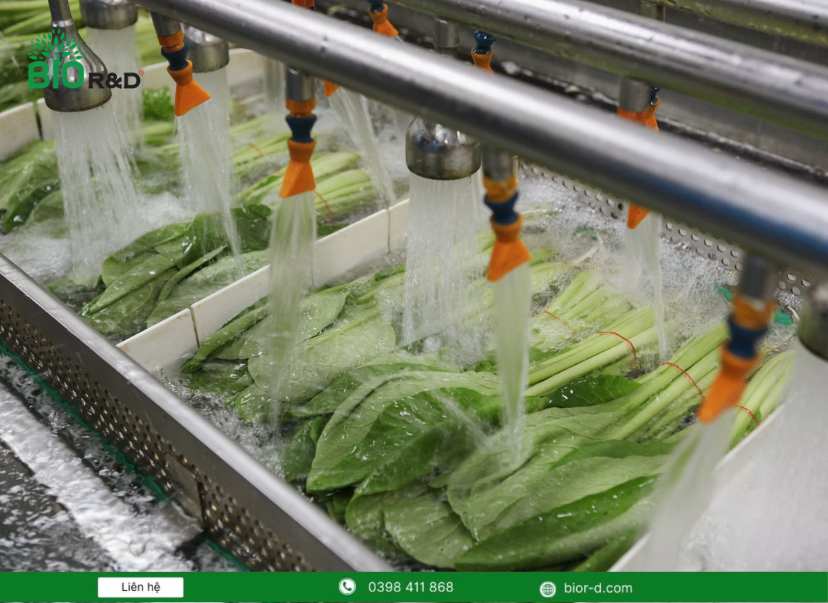
- Cleaning and preliminary processing according to correct techniques help remove impurities but still retain nutritional value.
- Checking safety criteria helps detect issues related to chemical residues.
- Appropriate packaging helps limit external impacts during transportation.
- Storage under suitable conditions helps maintain freshness and extend usage time.
- Recording product information facilitates traceability when necessary.
The post-harvest stage requires a combination of preservation techniques and quality management systems. If performed well, businesses can significantly reduce loss rates and enhance the commercial value of agricultural products.
Application of technology in agricultural product quality control
The development of technology is creating major changes in managing agricultural product quality. Instead of relying entirely on manual inspection methods, businesses today can use many modern solutions to improve accuracy and efficiency. Traceability systems using QR codes allow consumers to check product information just by using a mobile device. Data such as growing region, harvest date, care process, and production unit can be stored transparently.
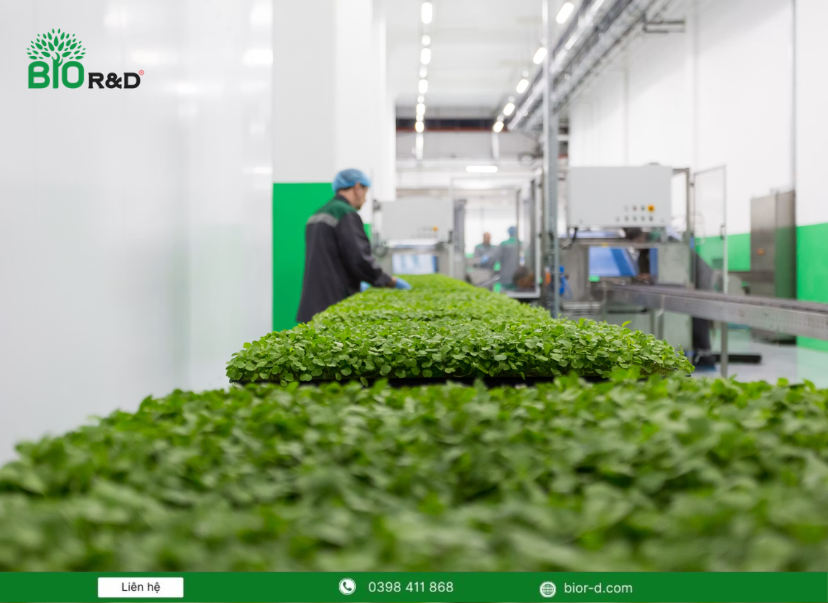
In addition, sensor technology is also applied in monitoring temperature, humidity, and storage conditions during transportation. This is especially important for types of vegetables and fruits easily affected by the environment. Agricultural management software helps businesses track the entire supply chain, from production to distribution. Thanks to this, detecting errors and providing handling solutions becomes faster. Applying technology not only helps improve the efficiency of agricultural product quality control but also creates a foundation for developing smart agriculture in the future.
Building a linkage chain for quality control from farm to consumer
One of the important factors to improve agricultural product quality is building linkages between parties in the supply chain. If controlling each stage individually but lacking coordination, product quality can still be affected during circulation. An effective linkage chain needs the participation of producers, purchasing businesses, processing units, transportation systems, and distributors. Each party needs to be responsible for maintaining the agreed-upon quality standards.
- Linkage between farmers and businesses helps stabilize raw material zones and control production processes.
- Cooperation with testing units helps accurately evaluate product quality before distribution.
- Connecting logistics systems helps maintain storage conditions throughout the transportation process.
- Building a transparent brand helps consumers trust the product more.
- Applying common standards helps the entire supply chain operate effectively.
- Sharing production data helps parties easily control and improve processes.
When the linkage chain is built tightly, agricultural product quality will be maintained more stably and create higher value for all participating parties.
Difficulties in the current agricultural product quality control process
Although playing an important role, building an agricultural product quality control system still faces many challenges. One of the biggest difficulties is small-scale production, which makes applying uniform standards have many limitations. Besides that, many production households do not have enough resources to invest in technology, inspection equipment, or data recording systems. This causes difficulties in retrieving information and proving product quality.
In addition, the lack of linkage between stages in the supply chain is also a cause for quality control not achieving high efficiency. A product may meet standards at the farm but be affected during transportation or storage. To solve these problems, coordination is needed between businesses, management agencies, scientists, and producers. Investing in training, technology, and building linkage chains will be an important direction to help improve agricultural product quality in the future.
>>> You may be interested in: The Role of Beneficial Microbial Systems in Modern Agricultural Production
Conclusion:
In the context of the market increasingly requiring high safety and transparency, agricultural product quality control becomes an indispensable factor in the production and business process. An effective control process helps ensure products meet standards, enhance brand value, and create trust with consumers. From selecting varieties, managing growing regions, caring for plants, harvesting, preliminary processing, preservation to distribution, every stage needs to be strictly supervised. When the entire supply chain is operated synchronously, agricultural products not only ensure quality but also have better competitiveness in the market. In the future, along with the development of technology and safe consumption trends, modern quality control systems will continue to hold an important role. This is the foundation helping the agricultural industry develop in a professional, transparent, and sustainable direction.
Contact Information
BIO R&D COMPANY LIMITED
- Office: 83 Xo Viet Nghe Tinh, Ward 7, Da Lat City, Lam Dong Province
- Farm: Thanh Ha Hamlet, Phi To Commune, Lam Ha District, Lam Dong Province
- Hotline: 0398 411 868 - 0983 276 527
- Website: bior-d.com
- Email: biogap.org@gmail.com